
Street corners in Tokyo often reveal fashion stories before magazines do. A backpack swinging past says everything. This blog post explores how Japanese design thinking reshapes everyday carry, blending restraint with bold character. The main focus centers on evolving backpack aesthetics, cultural intent, and why compact forms quietly dominate modern style conversations today. It matters more than expected now globally.
Roots Of Japanese Backpack Design
Japanese backpack design grows from discipline, utility, and quiet rebellion. Traditional craftsmanship values balance, negative space, and long-term use over noise. Materials feel intentional, not flashy. Casual observers may miss the thinking, yet professionals notice structure, stitching, and proportion choices immediately. Style here whispers confidence. This approach still influences global fashion strongly today, quietly and deeply.
Compact Fashion Meets Urban Needs
Urban life rewards movement, speed, and flexibility daily. Oversized bags feel unnecessary now. Compact backpack forms answer crowded trains and busy schedules with grace. Designers respond by refining silhouettes, reducing bulk, and sharpening purpose. The result feels practical yet expressive. It works for workdays and weekends alike. City rhythm demands it. Fashion adapts quickly under such pressure constantly today globally.
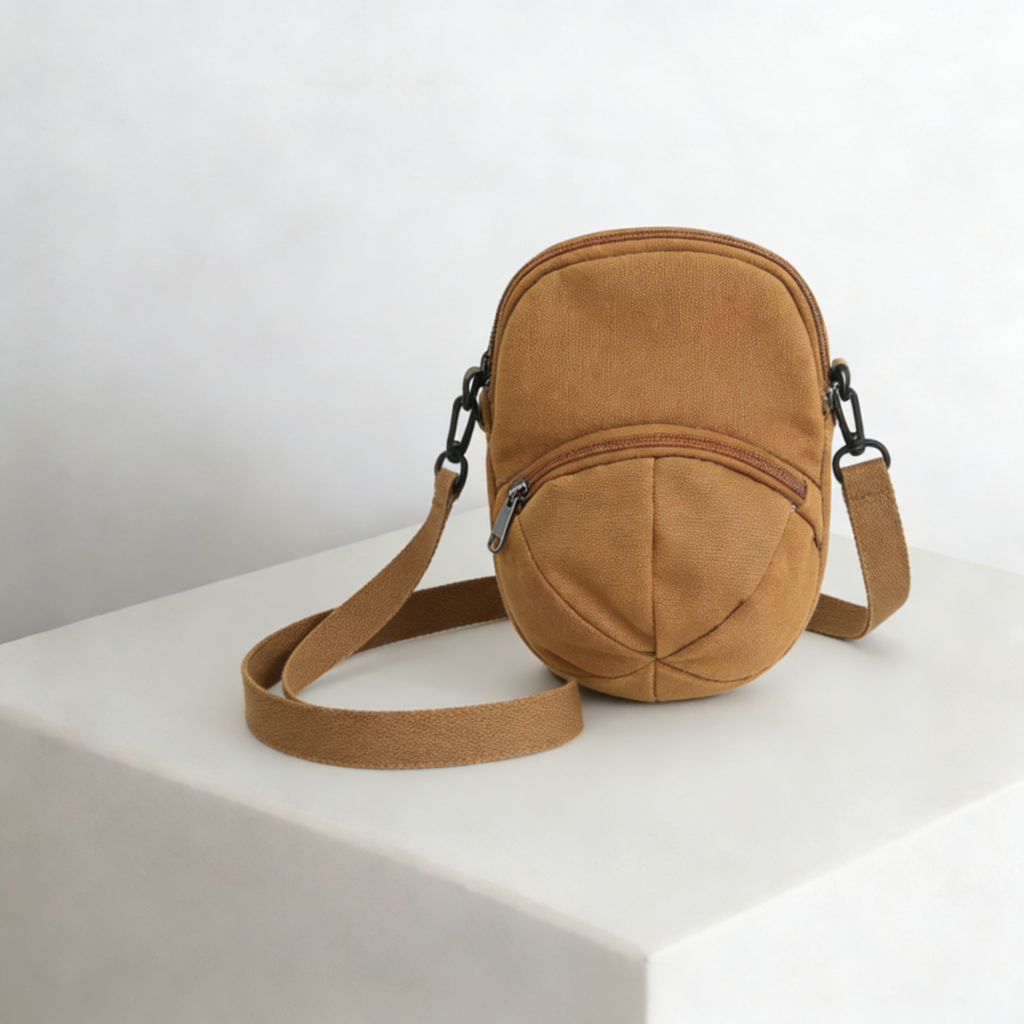
Playful Details Define Modern Packs
Playfulness enters through color blocking, hardware choices, and subtle graphics. Japanese style backpacks often balance charm with discipline, creating pieces that feel youthful yet refined. Designers experiment carefully, never careless. Small surprises appear inside pockets or straps. This emotional design connection matters. Users feel understood, not overwhelmed. Personality stays controlled. Such restraint builds long-lasting trust quietly here.
Why Miniaturization Became Stylish Recently
Shrinking proportions reflect changing habits and lighter loads. Mini backpacks speak to minimalism, efficiency, and curated lifestyles. They remove excess without removing identity. Casual outfits gain structure instantly. Formal looks soften slightly. This balance attracts creatives and professionals alike. Small scale feels deliberate, not limiting. Freedom increases, unsurprisingly. Street fashion culture amplified this preference across cities fast today globally again.
Functionality Hiding Behind Aesthetics Today
Behind visual charm lies serious engineering and planning. Japanese-style backpacks integrate smart compartments, weight distribution, and durable fabrics subtly. Mini backpacks also prioritize comfort, disproving size assumptions. Everything serves a purpose. Nothing random. Professionals appreciate this logic. Daily routines improve quietly. Bags become tools, not distractions. Efficiency feels stylish. This mindset supports longevity and sustainable fashion thinking globally now.
Global Appeal Without Losing Identity
International audiences notice authenticity immediately. Trends travel fast, but identity anchors value. Japanese-style backpacks maintain cultural signals while adapting globally. Mini backpacks mirror this balance through scale and intent. Buyers from the U.S., Canada, and Australia are all able to appreciate the cultural elements within the mini bags while being able to integrate them into their own fashion lives. Quiet dominance works as influence grows steadily. Market demand confirms this direction across seasons repeatedly. Backpack culture continues to shift towards thoughtful compact design with lasting relevance.
Conclusion
Shin Sedai reflects this evolution through a focused lens on modern Japanese-inspired accessories. The future favors pieces that communicate purpose, restraint, and personality together. Trends may change fast, yet intelligent design endures. Buyers seek meaning now. Style becomes quieter. Impact becomes stronger. The backpack, once simple, stands as a cultural signal of refined daily living today. This direction feels inevitable, practical, and emotionally satisfying for modern users worldwide now.
